Submitted by george.somers@… on


"I've always been a practising Christian. I'm from Sheffield, originally, I worked in retail and I'm from a working-class family. But I really wanted to work in the Church, and six years ago, I saw a job advertising for a Mission Development worker across a few other parishes, working class parishes, struggling parishes, and I took up the job."

Ben is training as a Distinctive Deacon at St Mellitus College in Plymouth. He balances his studies with context-based placements, including at a local night shelter, providing a lifeline to displaced, homeless and struggling people.

Like many in ministry, Ben is neurodivergent. We were privileged to support him with funding towards assistive technologies to help with his studies. This included specialist audio equipment to block out distracting background noise, and iPads to learn on-the-go, lead sermons and take service notes.

Image
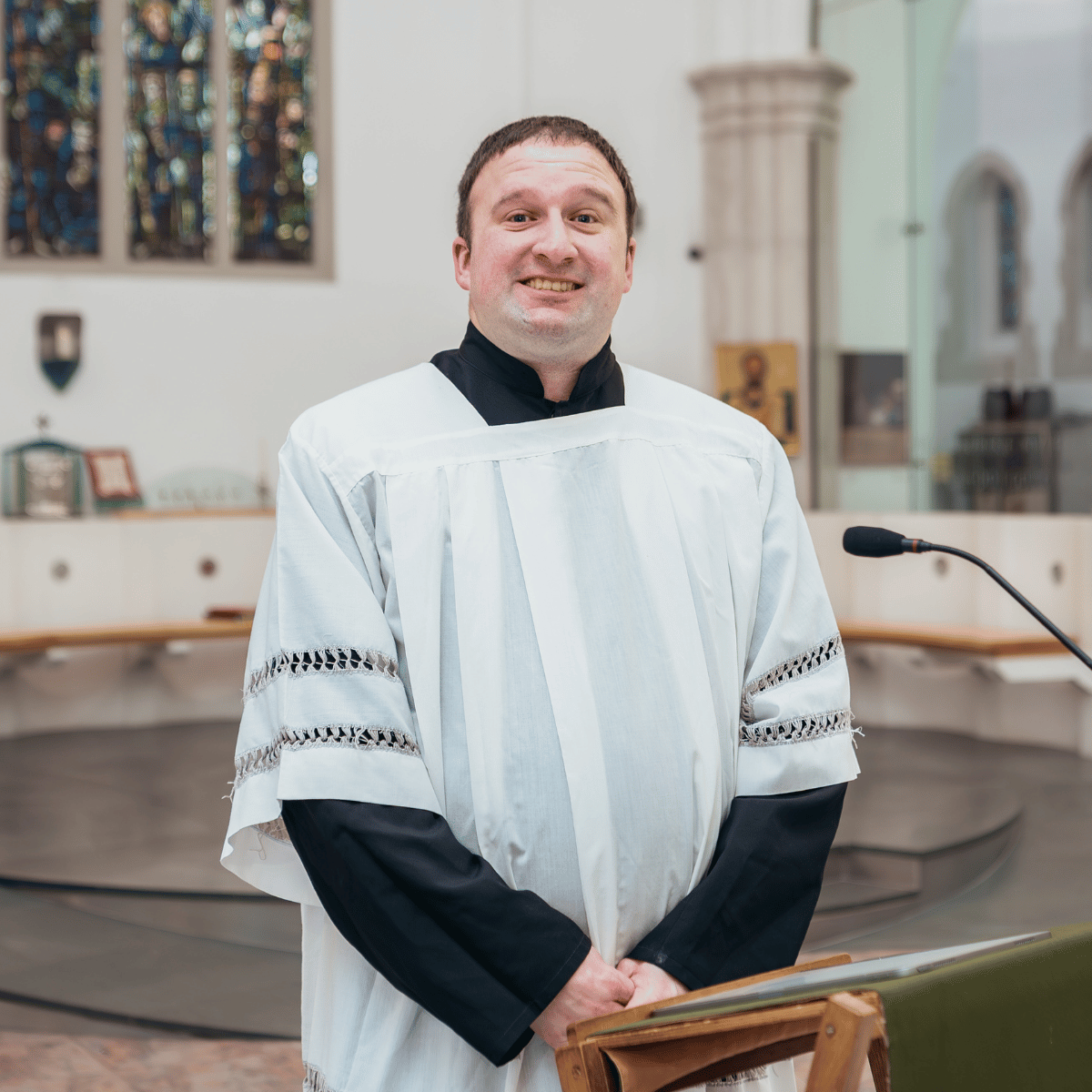
Ben is wearing a white robe, and is standing behind a small lectern with a microphone.

What does a Distinctive Deacon do?

While the work of Distinctive Deacons is deeply-routed in the Church, much of their ministry actually takes place outside of the Church, in the local community, supporting those who are often forgotten and on the margins of society.

"I was at St Mellitus College yesterday doing a full day of training, and I'm in context-based placement today. I'm doing an overnight shift this evening, at a night shelter for those in need.

In the past few years, there's been a revival of Distinctive Deaconery, which is so important.

Some Distinctive Deacons have full-time jobs outside of the Church, but I'm single with no family left at all, sadly, so my income is what's supporting my everyday living and training."

How has the Trust helped you?

"I have autism, ADHD, dyslexia and some hearing troubles. Sometimes it's hard to get support for your neurodiversity, because it's hidden and often not a visibility disability.

Because I'm training as a Distinctive Deacon, an area of ministry under-funded by the Church, on a course that's a bespoke pathway and isn't university accredited, I'm also in a big financial gap where I can't access Disabled Student Allowance.

The Health grant from Clergy Support Trust was a big support, and I was able to buy a large iPad, a mid-range iPad with a Magic Keyboard, and specialist headphones. I've noticed the difference when I'm using the equipment already, like being able to drown out background noise and properly concentrate. What you can do with it is amazing, and while it sounds like a big investment, it's a fruitful one."

Image
Ben is sat at a desk. He is wearing a white shirt, headphones and using an iPad.

Image
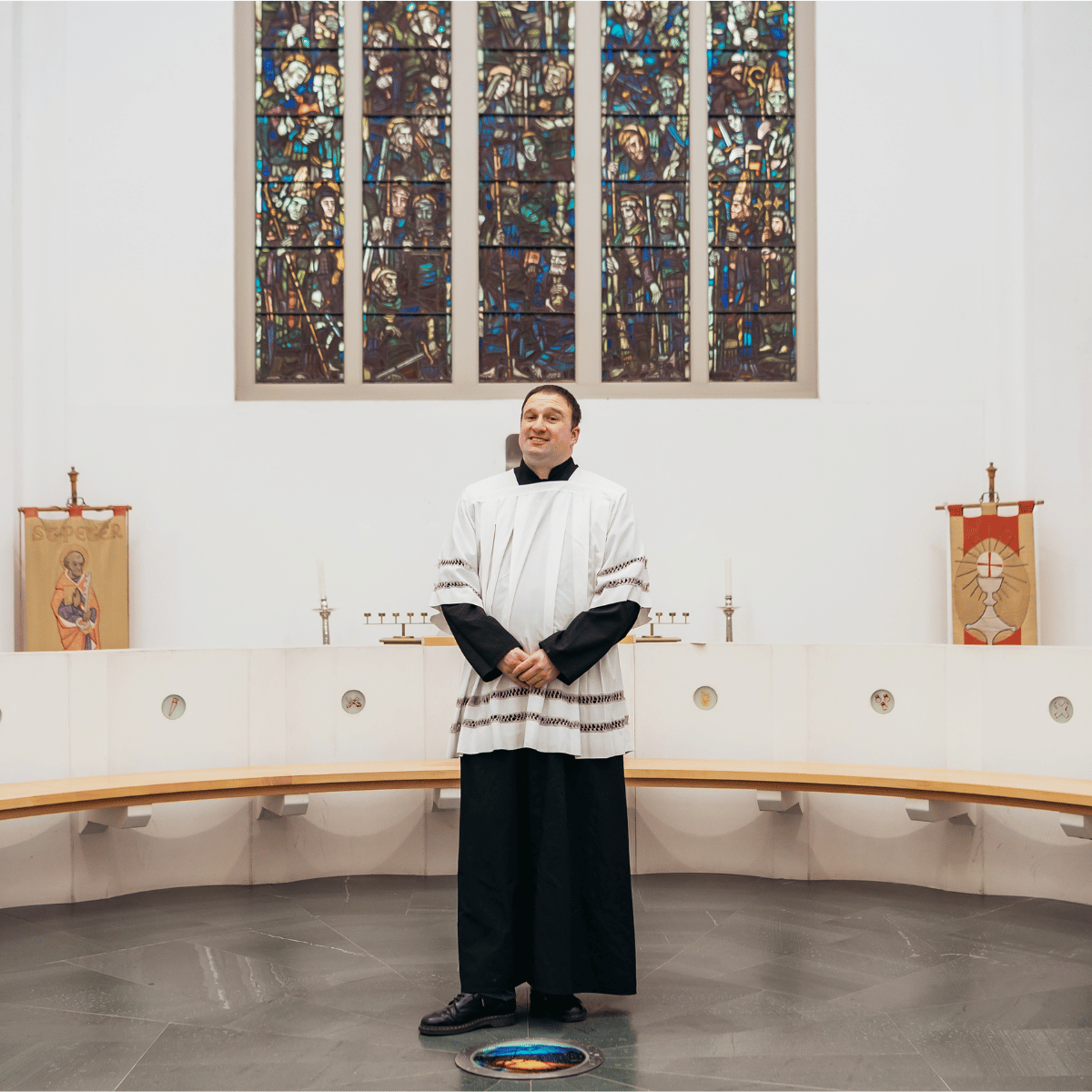
Ben is wearing a white robe, and is standing in front of a stained glass Church window.

What would you say to someone thinking of applying for the first time?

"I would say don't be embarrassed to ask for support, be confident that the support you're asking for will be beneficial to you, and think about the long term.

The grant I was given has not only helped me with my training, but it'll also be helpful to my ministry, further into the future, as well.

Don't be afraid to ask for something that's going to be a good investment in the fruitfulness of your ministry, and will help you to help others.

No charity has an unlimited pot of money, but Clergy Support Trust want to give you what you need to succeed."

Since we reopened in January, we've received over 1,000 applications from households in need, just like Ben.

This Lent, we invite you to set up a regular gift, in a spirit of care and shared responsibility. For many supporters, a monthly gift is a simple and manageable way to give - spreading generosity across the year while staying connected to the difference it makes.

Your regular gift could help:

  • Provide assistive technology, restoring independence and dignity
  • Cover the cost of an educational psychologist assessment
  • Fund mental health support during times of crisis
  • Enable access to physical therapies

Help us to journey alongside over 2,700 households each year, to support them with the challenges they face, at Lent and throughout the year.

Donate to our Lent Appeal


Read more stories from our applicants

NOTES FOR EDITORS
Photography: Clergy Support Trust
Clergy Support Trust is the largest and oldest charity focussed on the wellbeing of clergy and their families. The Trust, originally founded in 1655, provides confidential help for Anglican clergy and their families across the UK, Ireland, Isle of Man, and Diocese in Europe. The Trust are confidential, independent, inclusive, and impartial, and we support clergy from training through to retirement. In 2025, we supported over 2,900 households with more than 7,000 grants.
For media enquiries, please email our External Relations team at hello@clergysupport.org.uk.