As part of the Church of England's ten-year Living Ministry research, academics from the University of Bournemouth have published 'Fearfully and Wonderfully Made: Understanding the wellbeing of disabled and neurodivergent clergy'. This study was co-commissioned by Clergy Support Trust.
The report is the fifth in a series, following on from research into the wellbeing of Global Majority Heritage clergy and of working class clergy.
The research featured a diverse range of twenty-seven men and women, clergy from across the Church of England - including curates, self-supporting clergy, chaplains and senior clergy - who face physical challenges, are neurodivergent and/or have been diagnosed with a mental health condition.
The findings
The report found that structural factors, such as the inherent assumptions and internalised expectations that exist within the Church of England, pose a significant risk to the wellbeing of disabled and neurodivergent clergy.
For example, this can include the normalisation of overwork in their roles, power imbalances that discourage disclosure and asking for help, or hidden expectations in discernment and training. The calling of ministry to serve and support others, combined with inadequate support for the personal challenges they face, led many participants to have "expectations of themselves that were unrealistic and damaging."
Clergy dedicate their lives to serving others, and in order for them to fulfil this calling, they need to be properly supported by the national Church and their Dioceses. We are pleased that recommendations include:
- Training for anyone involved in the selection and oversight of disabled and neurodivergent clergy, including Bishops and DDOs
- Better access to reasonable adjustments, and properly resourced support structures
- Improved accessibility in Churches, vicarages and all working environments
- For Dioceses to appoint a dedicated Disability Officer
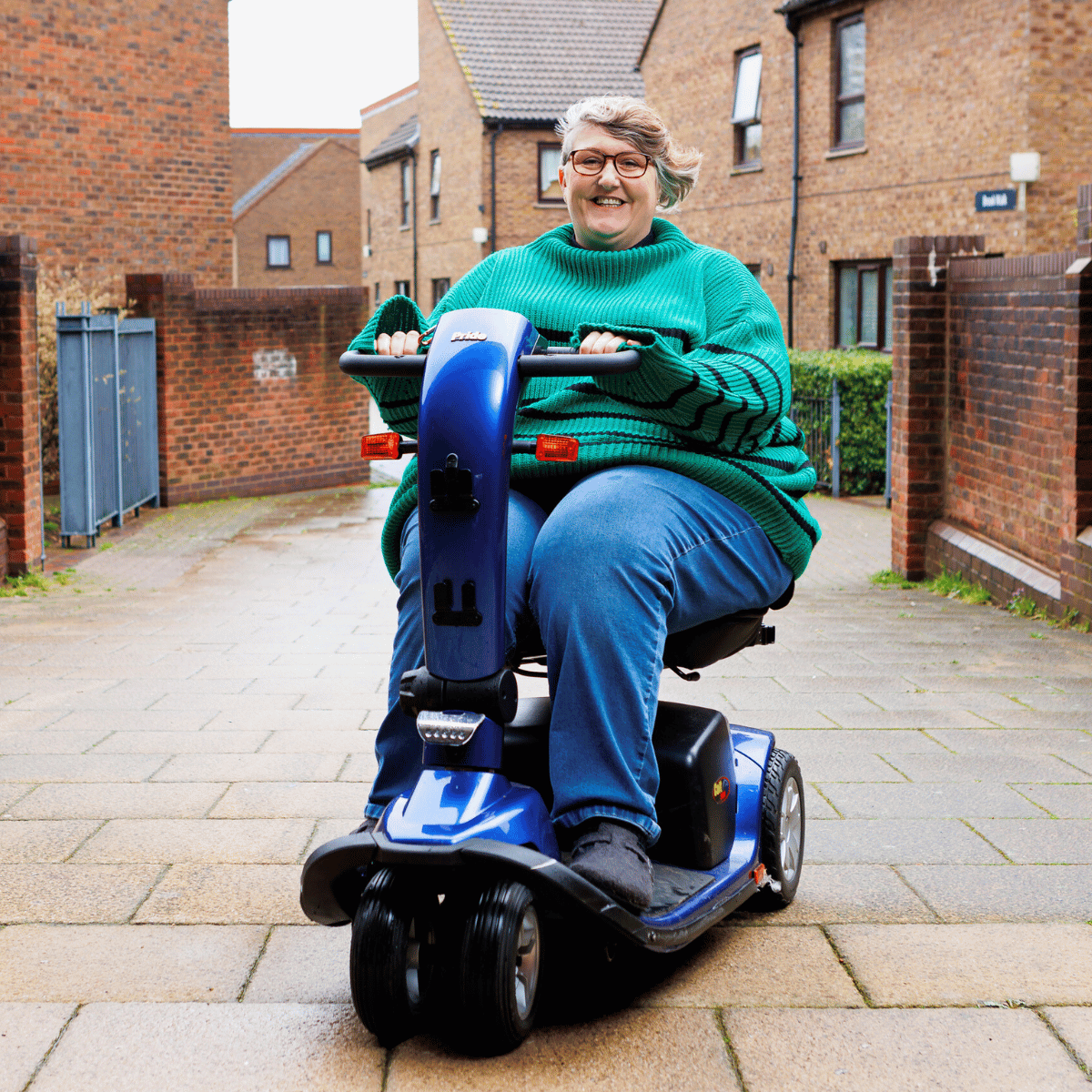
If you are an eligible applicant who is disabled or neurodivergent - from the Church of England, Church in Wales, Scottish Episcopal Church or the Church or Ireland - we would encourage you to use our Eligibility Checker, to see how we may be able to support you.
“The participation and flourishing of disabled and neurodivergent ordinands and clergy is at the heart of being that Church that God desires. I greatly welcome this research as an important building block in taking forward this commitment to the full participation of disabled and neurodivergent people in the life and ministry of the Church.”
- The Rt Revd Richard Atkinson, Bishop of Bedford and the Lead Bishop for Disability