Submitted by george.somers@… on


John is a retired vicar, and lives in independent living housing in Burnley, with his wife, Wendy, following many years of dedicated ordained ministry, as well as a key role in the charity, Christians Against Poverty (CAP).

Over the years, Clergy Support Trust has walked alongside them both during key moments of financial difficulty, including through an Emergency grant towards unexpected car repairs, and a Wellbeing grant for a much-needed break away.

John made time to chat with us about his experience of applying for support, his long-standing relationship with the Trust, and the important part that many retired clergy still actively play in the Church of England and their local communities.

If you are serving or retired clergy, their spouse or partner, a separated or divorced partner, widow or widower, we would encourage you to use our handy Eligibility Checker to see whether we might be able to help you with the challenges you face, and make life a little bit easier.
Image
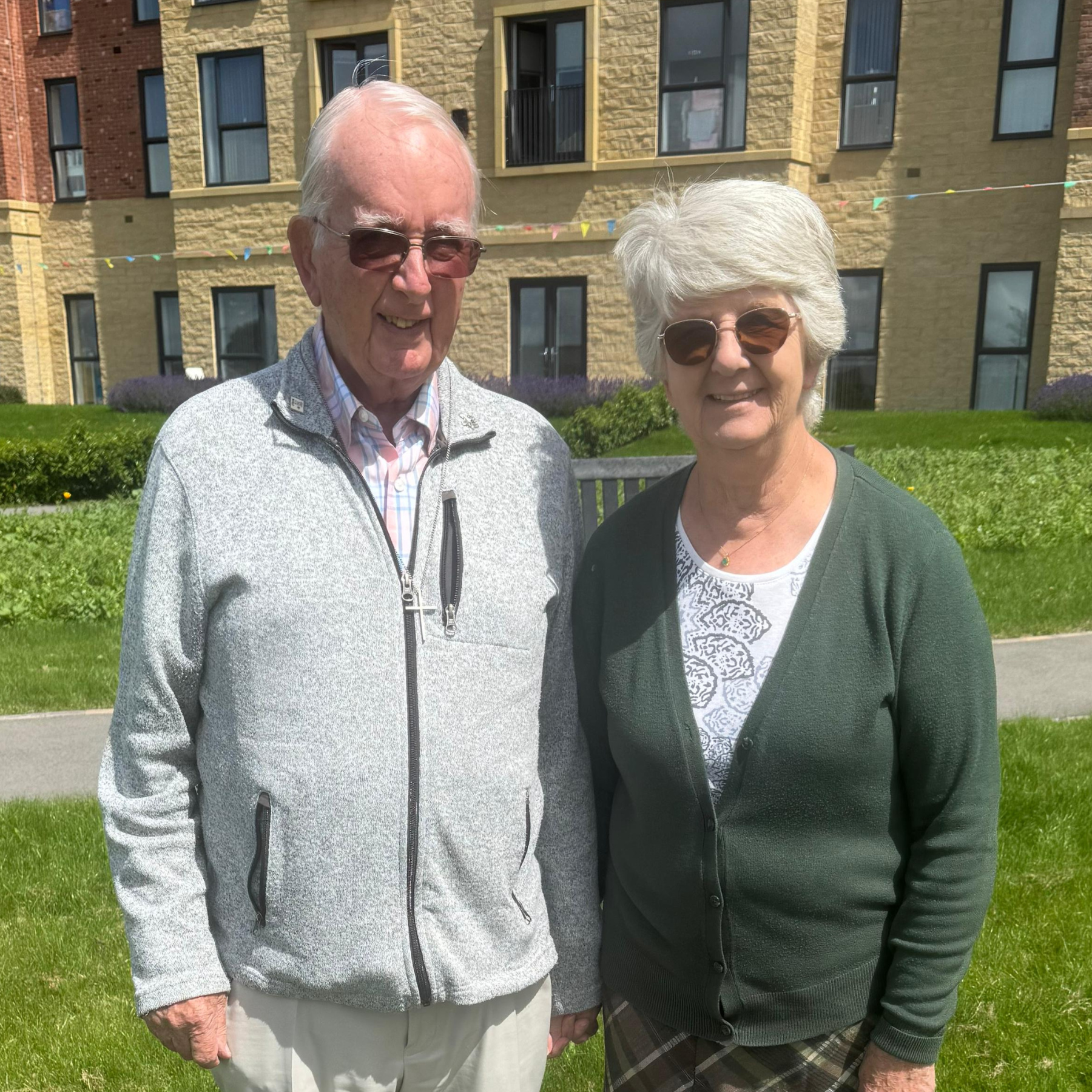
John and Wendy are stood outside on the grass, on a sunny day. John is wearing a grey fleece, and Wendy is wearing a green cardigan.

How did you first learn about the Trust?

"I’ve been associated with the charity Christians Against Poverty for thirty years. I moved to Burnley when they wanted to start a new centre here. All CAP centres are attached to a Church, and we were attached to St Leonard’s Church in Padiham, just outside Burnley.

I'm 86 and retired, so I don't receive a stipend. We chose to opt-in for the married woman's National Insurance stamp in the 1970s, so my wife, Wendy has a reduced pension. We're reliant on our state pensions and some Attendance Allowance to get by.

There was a curate there, Kit Walker, who knew we were struggling, and suggested that we apply to Clergy Support Trust. That's how it came to pass really, and I’m very grateful for the support that you have given us over the years. The means-tested Financial Support grant we receive each year has been a life-saver."

Why is it so important that clergy and their families are properly supported?

"In my experience, clergy don't retire. They may intend to, but they're still so involved in local life.

We live in a block of independent living flats, where there's additional care for all of us if we need it. I still contribute to this community by running a Wednesday morning communion service for the residents, and we get about a dozen or more each week.

I also take communion to those who can't get out of their apartments, and to folk from the Church to which we belong, St. Cuthbert's, which is just around the corner.

I also attend the clergy chapter meeting, and there are a number of retired clergy there. Because there's a shortage of serving clergy in the Church of England, they're all doing something, like taking services when there is no incumbent. So, retirement is— well, it is retirement, but we're still working."

Image
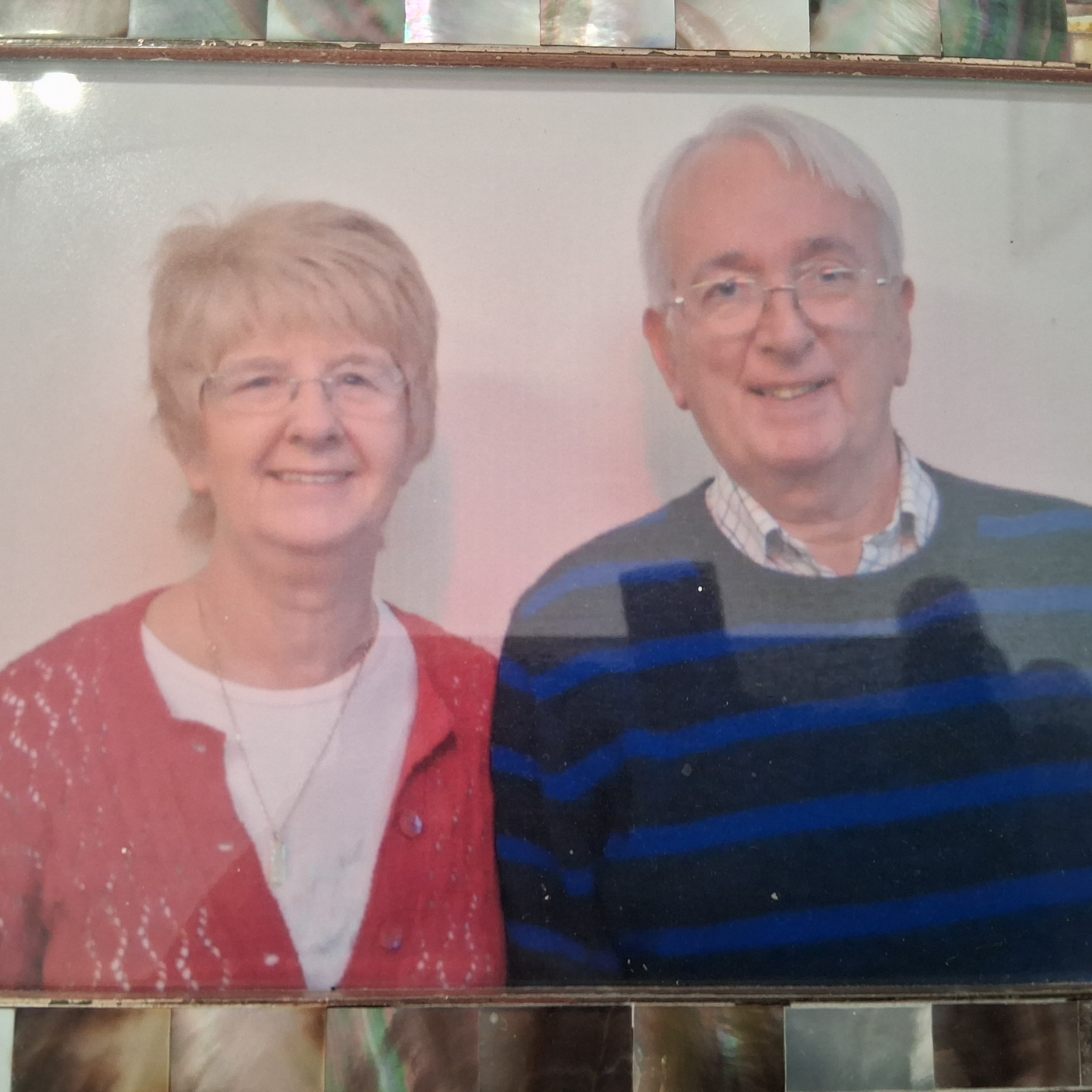
A photograph of a framed photograph; John and Wendy are smiling at the camera.

Clergy never truly retire

At Clergy Support Trust, we believe that people who have spent their lives serving their communities should be able to enjoy a financially secure retirement, free of worries for the future.

Almost 10% of the retired clergy we support have given 40 years or more's service to the Church, their congregations and communities. Despite this dedicated service, many are struggling to pay their heating bills, and to afford vital household adaptations and mobility aids.

Over 250 retired clergy households have relied on our grants and services since 2019, and in 2024, we provided over £400,000 to support them. We also enjoy fruitful, close collaborative partnerships with key organisations, like the Retired Clergy Association chaired by The Rt Revd Colin Fletcher, to help champion and advocate for retired clergy and their families.

Find out more

Read more stories from retired clergy

NOTES FOR EDITORS
Photography: Clergy Support Trust
Clergy Support Trust is the largest and oldest charity focussed on the wellbeing of clergy and their families. The Trust, originally founded in 1655, provides confidential help for Anglican clergy and their families across the UK, Ireland, Isle of Man, and Diocese in Europe. The Trust are confidential, independent, inclusive, and impartial, and we support clergy from training through to retirement. In 2025, we supported over 2,900 households with more than 7,000 grants.
For media enquiries, please email our External Relations team at hello@clergysupport.org.uk.