As I step back after eleven years as Principal of Sarum College, I do so with deep gratitude for a place, a community and a vocation that have shaped me profoundly. Sarum has been much more than an institution: it has been a meeting place for prayer, learning, argument, friendship and discernment.
I find myself thinking especially of the ordinands whose lives have intersected with mine during these years — women and men who have arrived with questions, anxieties, courage and hope, and who have taught me again and again that formation is never simply about structures or pathways, but about attending faithfully to the human beings called to serve God’s Church.
That is why this question is not only about money: better funding matters greatly, but the deeper challenge is whether the Church will invest in forms of formation that are relational, theologically serious and equal to the realities of ministry today.
The Ministry Training Fund
The Church of England has revised the way ordination candidates are funded, introducing the Ministry Training Fund to bring greater clarity, consistency and accessibility to financial support during training. From the vantage point of working closely with ordinands and their families, this is a welcome development for students who often make significant personal, financial and emotional sacrifices as they respond to a call to ordained ministry. The new arrangements represent a serious attempt to reduce barriers to vocation, but they should also invite a wider conversation about what kind of formation the Church now needs.
Radical shifts
I would welcome two deeper and more radical shifts, both within the Church of England and among those involved in theological formation for ministry. As theology declines within the academy, there is an opportunity to sustain models of theological learning that are intellectually serious, spiritually compelling and capable of engaging those drawn to the questions theology asks. The call for shorter pathways of training and formation is short-sighted. We need a new generation able to tell the theological story with imagination, depth and learning, drawing others into the hope and salvation it offers by asking the right questions. This will require a slower pace, deeper attention and the creativity to discern the spiritual pulse of this generation.
It may be that the present number of colleges cannot be sustained. The sector will also need to move beyond the divisive distinction between residential and non-residential formation, which has too often constrained the imagination of theological education. We shall need to work across traditions and boundaries, and to understand diocesan priorities more clearly. This will require change, adaptability and a renewed willingness to think together about the future of formation. But at the heart of that future must be the quality of the relationships we build, the theological depth we nurture, and the credibility of a ministry able to serve the Kingdom of God with wisdom, courage and hope.
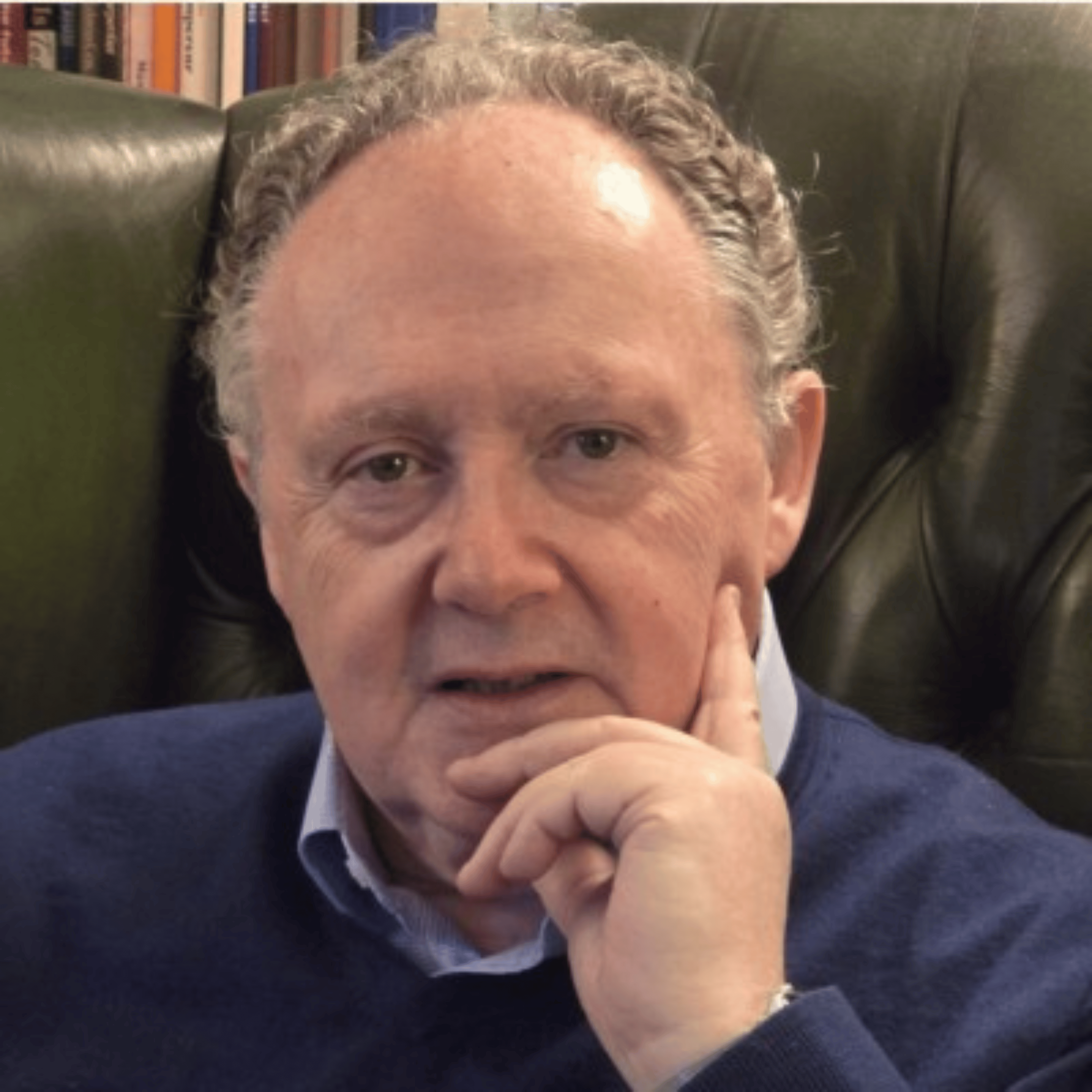
- Professor James Woodward, former Principal of Sarum College
Professor James Woodward has recently step back from 11 years as Principal of Sarum College and over 40 years of ordained ministry. You can see more about his work at www.jameswoodward.online
This article has been published as part of an occasional guest blog series. The views expressed in this series do not necessary reflect the views of the Trust, its applicants or partners. If you have something to say about the wellbeing of clergy and their families, and would like to contribute to this series, please email us at hello@clergysupport.org.uk